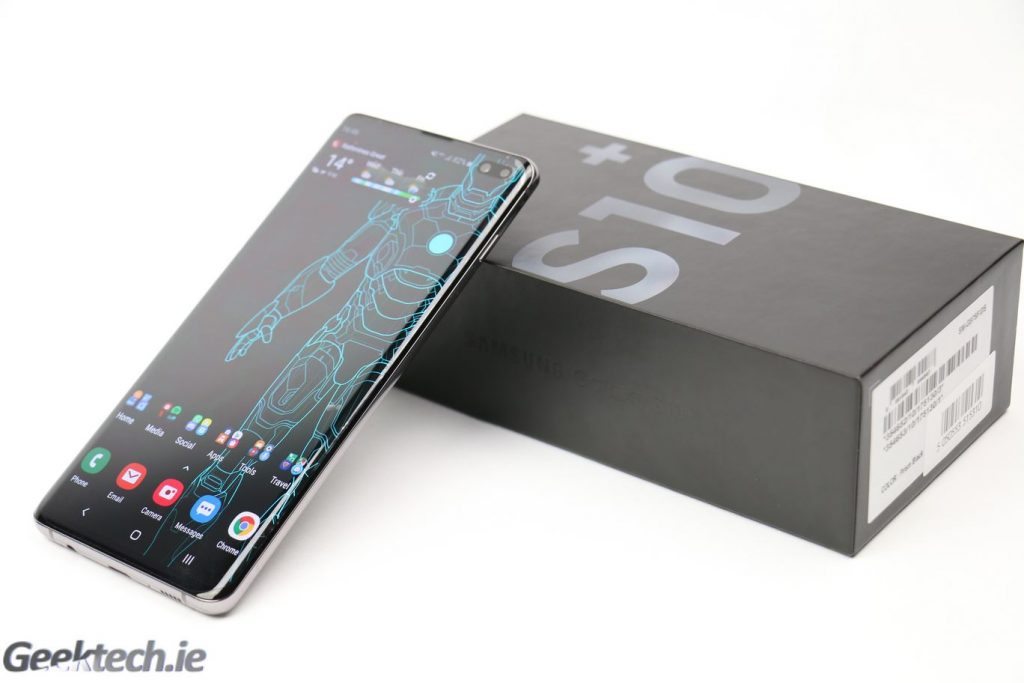
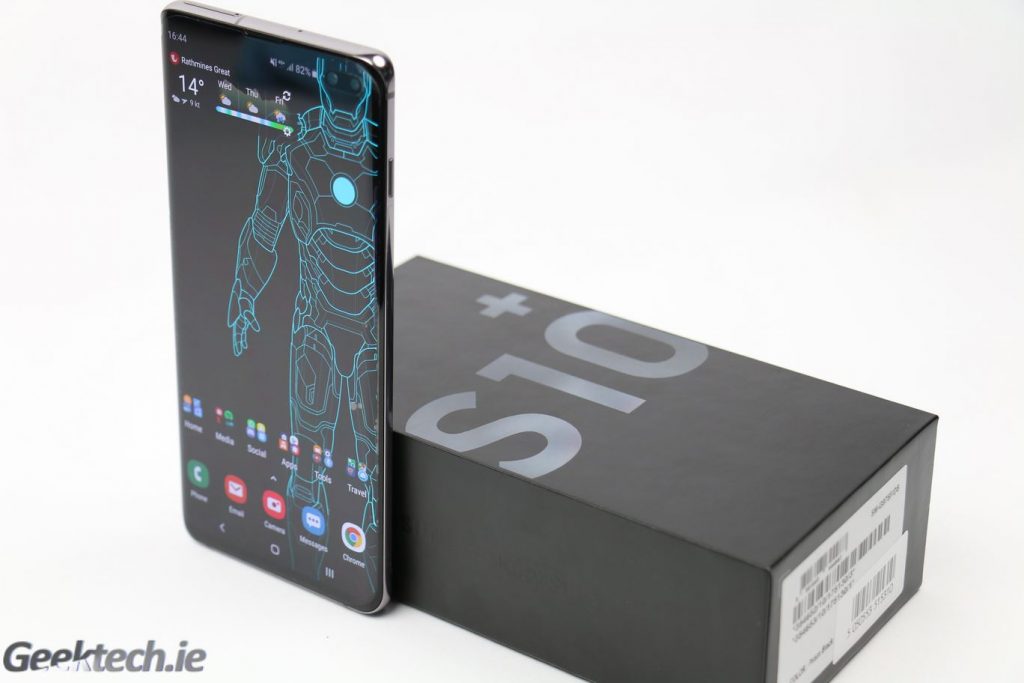
As another year passes by, we have another flagship device launch from Samsung . This year Samsung are continue their trend of removing more bezel and adding more cameras to their device.
Today we are taking a look at the Galaxy S10+. Let’s get the review started. First up we are going to take a look at the full specifications for the Samsung Galaxy S10+
- Software: Android 9.0 Pie with Samsung One UI
- Display: 6.4″ Infinity-O Dynamic AMOLED, 1,440×3,040px, 19:9 (2.11:1) aspect ratio, 526ppi, HDR10+ support.
- Design: Aluminum frame, Gorilla Glass 6 front, GG5 back
Chipset: Exynos 9820 (8nm): octa-core CPU (2 x 2.7GHz Mongoose M4 & 2 x 2.3GHz Cortex-A75 & 4 x 1.9GHz Cortex-A55), Mali-G76 MP12 GPU. - Memory: 8GB RAM with 128GB storage, Hybrid sim slot for 2 x sims or 1 x sim and 1 x MicroSD card.
- Rear Cameras: Wide (main): 12MP, 1/2.55″ sensor, f/1.5-2.4 aperture, 26mm equiv. focal length (77° FoV), dual pixel PDAF, OIS. Telephoto: 12MP, 1/3.6″ sensor, f/2.4 aperture, 52mm equiv. focal length (45° FoV), PDAF, OIS. Ultra-wide: 16MP, f/2.2 aperture, 12mm equiv. focal length (123° FoV), fixed focus.
- Video Recording: Rear: up to 4K 2160p@60fps, EIS up to 2160p@30fps, slow-mo up to 1080p@240fps, super slow-mo 720p@960fps for up to 0.4s (12s playback at normal speed); HDR10+ recording. Front facing camera: up to 4K 2160p@30fps with EIS.
- Front Camera: 5MP, 1/5″ Exmor RS for mobile, 23mm wide angle lens, 90-degree FOV, f/2.2; 1080p video
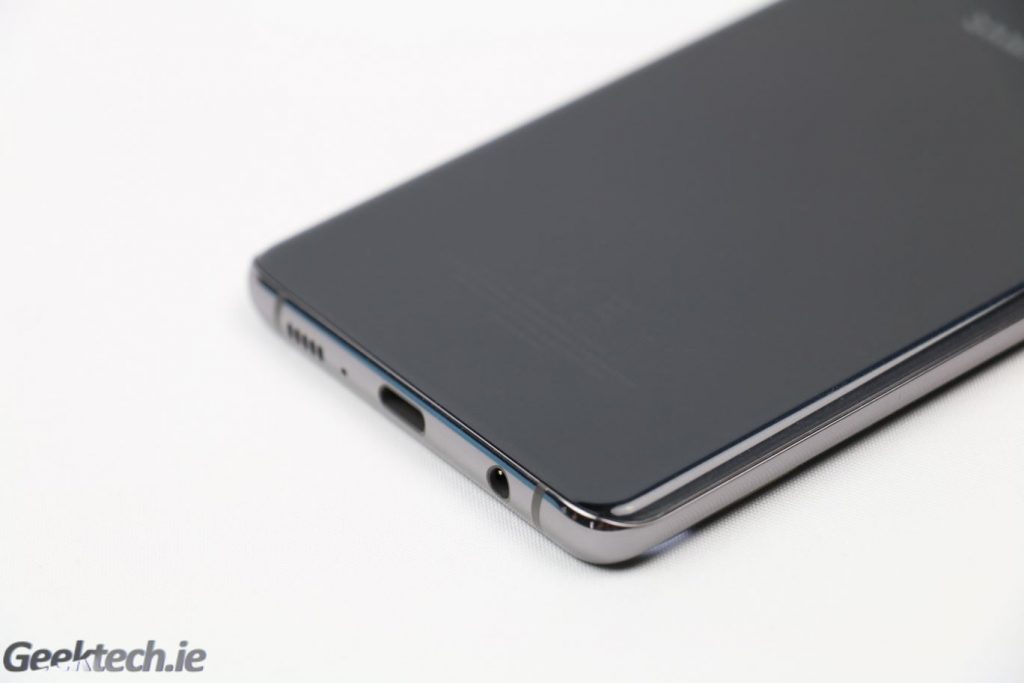
- Networking: Dual-SIM (hybrid slot), USB Type-C (v3.1), Wi-Fi a/b/g/n/ac/ax MU-MIMO; GPS, GLONASS, Beidou, Galileo; NFC; Bluetooth 5.0.
- Modem: LTE-A, 7-Band carrier aggregation, Cat.20/13 (2Gbps/150Mbps)
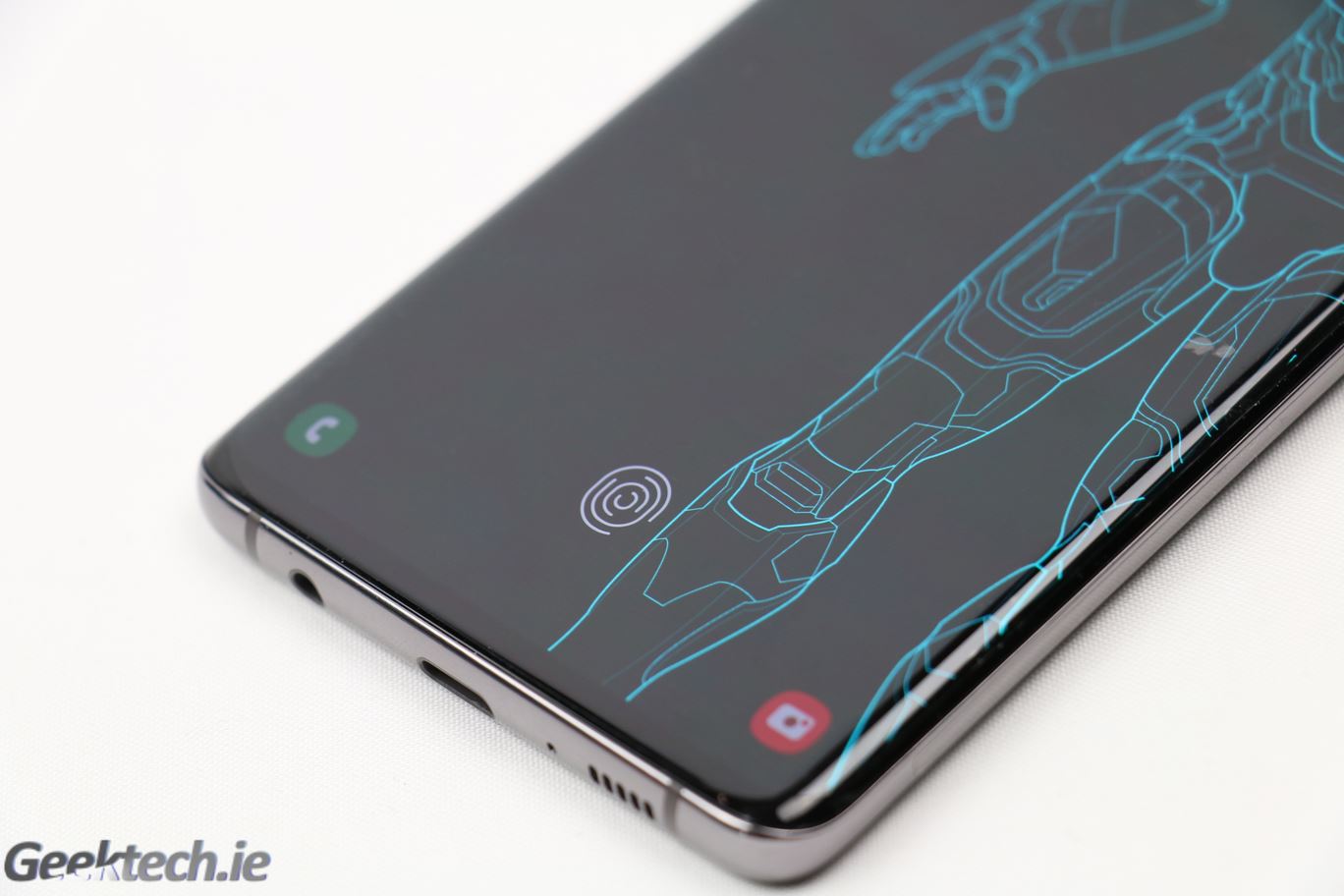
- Other: Ultrasonic under-display fingerprint sensor, stereo speakers (bottom-firing + earpiece), bundled AKG headphones
- Dimensions/Weight: 159.5 x 73.4 x 8.1 mm, 173g
- Battery: 4,100mAh Li-Ion (sealed), 15W wired charging (Adaptive Fast charging, QuickCharge 2.0 compatible), 15W Fast Wireless Charging 2.0, Wireless PowerShare.
The international version as it’s referred to features the Exynos chipset (our mode) made by Samsung themselves, but in the North America, the device uses the Snapdragon 855 chipset made by Qualcomm. A long tradition of Samsung to use Qualcomm chipsets in the North America territory.
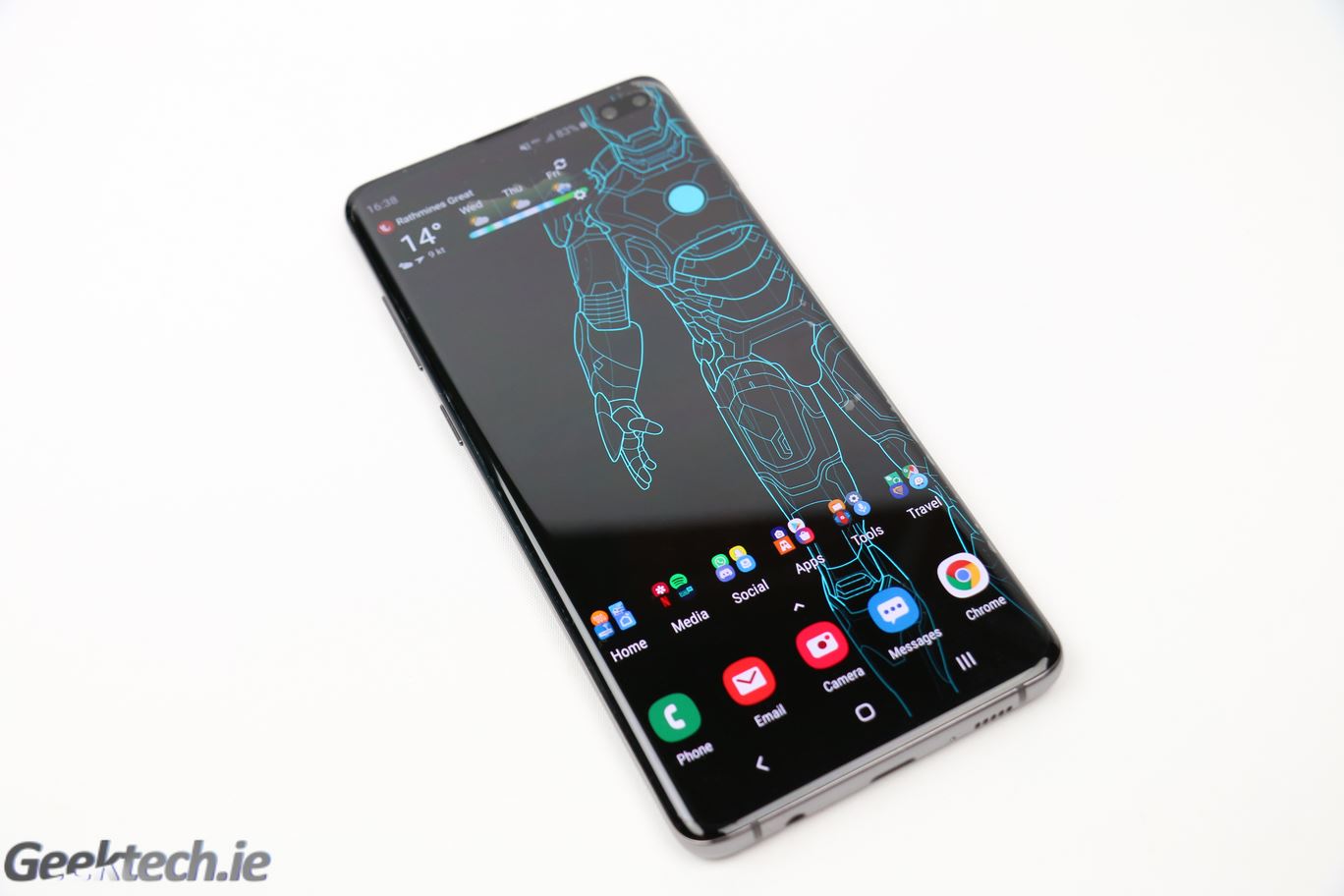
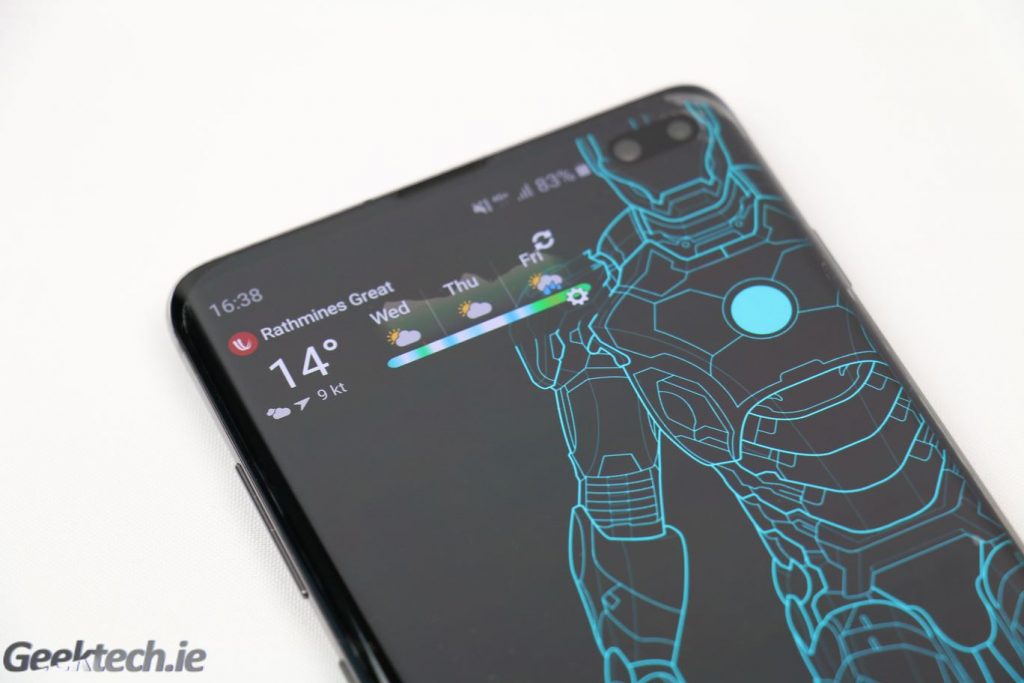
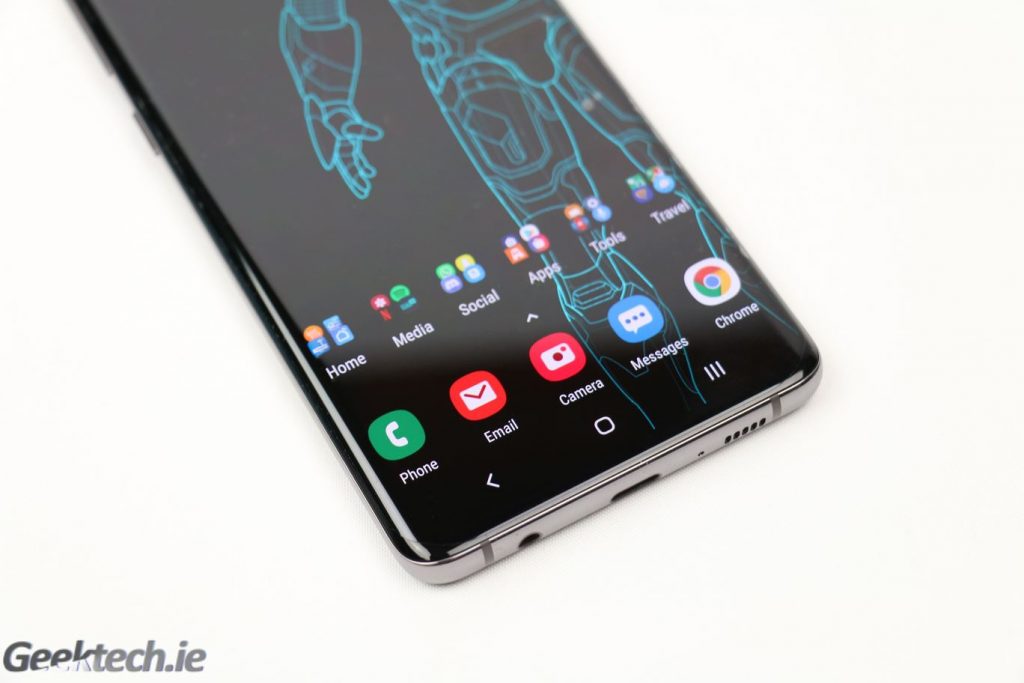
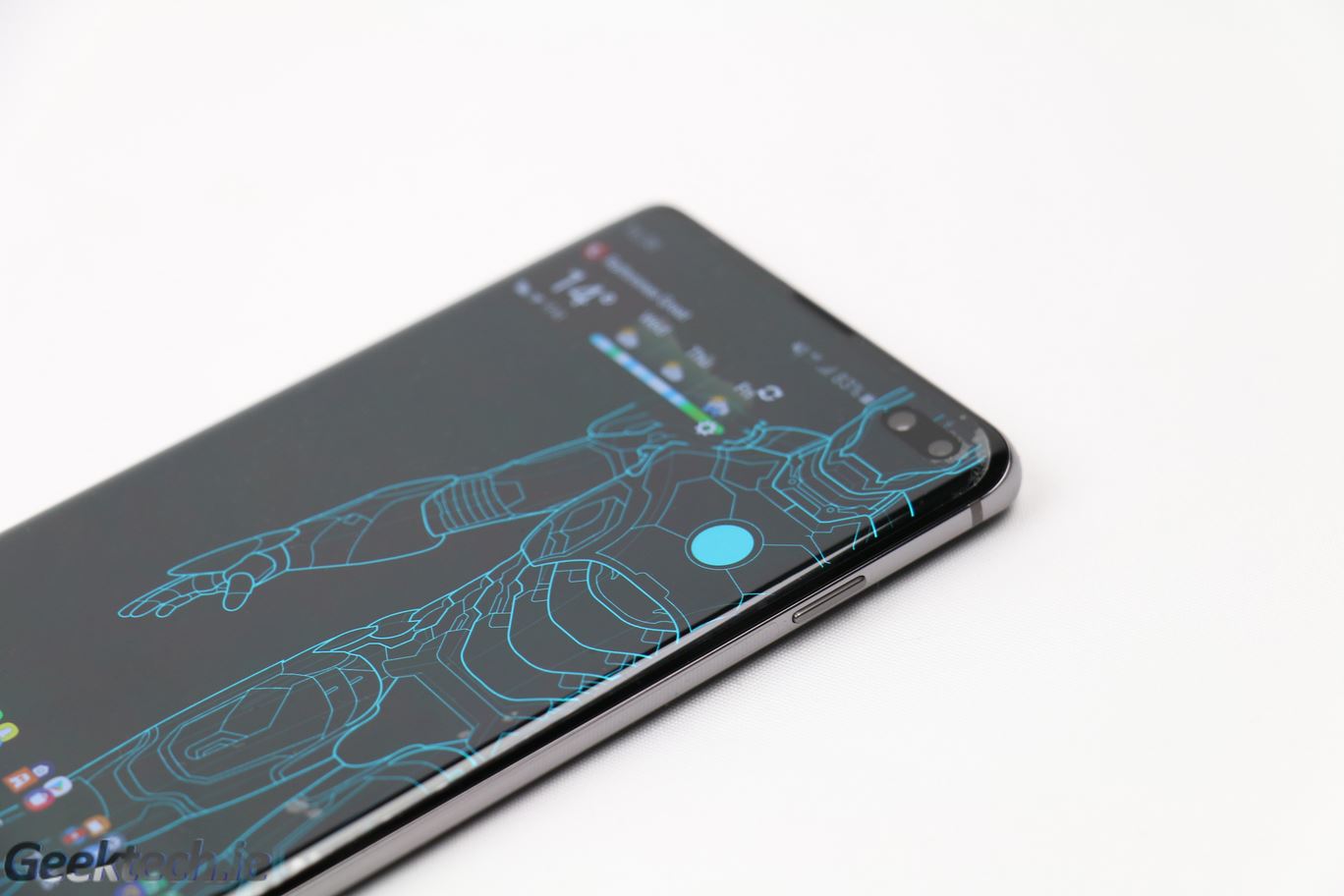
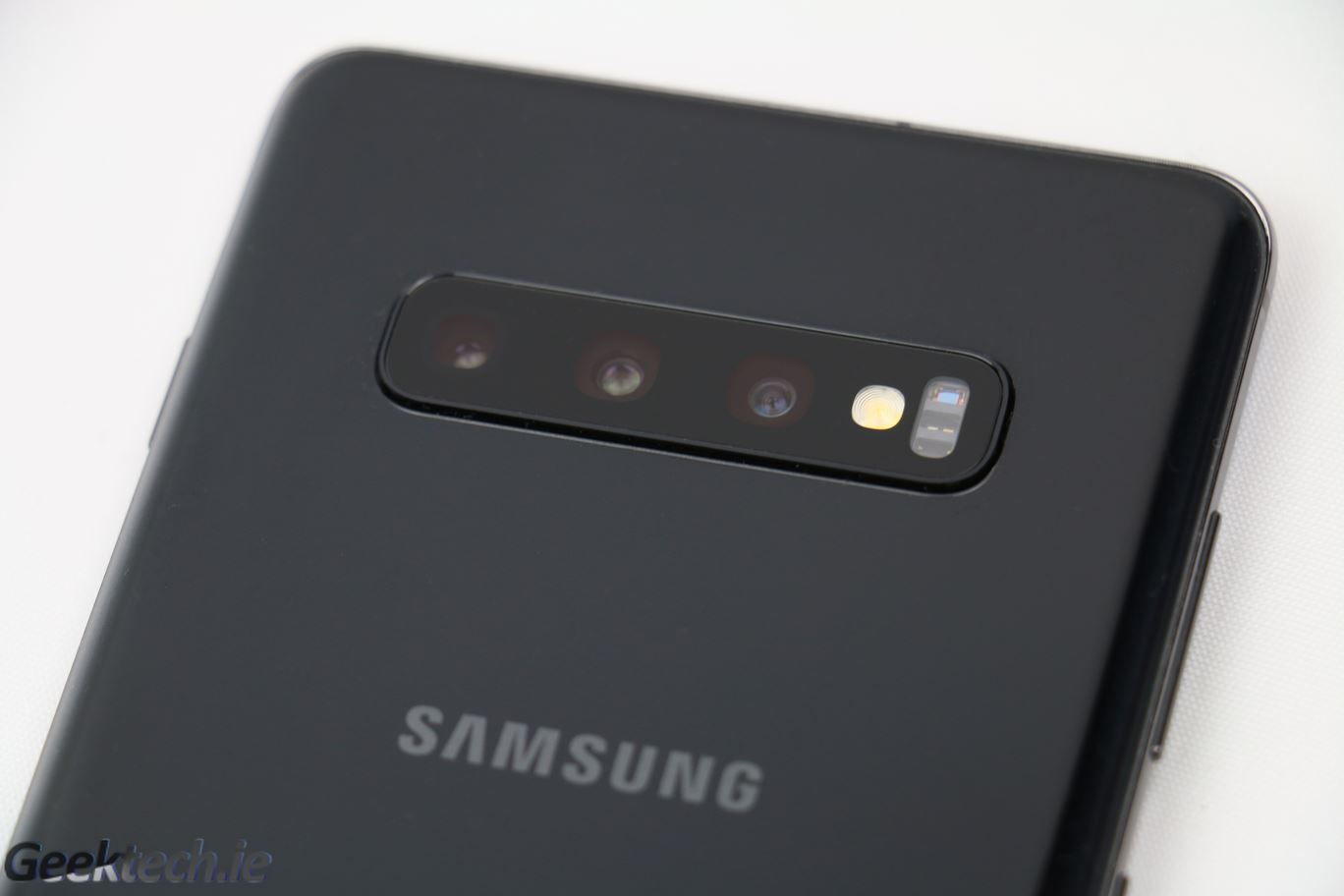
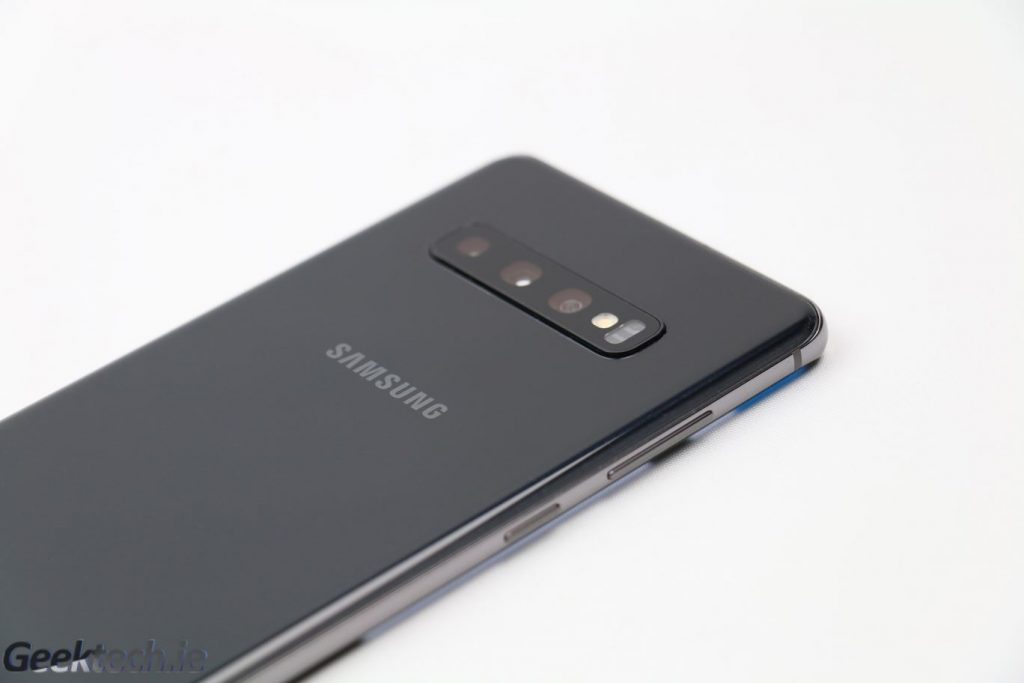
The specs are pretty lavish to say the least. We have that amazing display that now supports HDR10+, ultrasonic fingerprint sensor, and 3 camera sensors on the rear, with an ultrawide being the newest addition to the family. Samsung also wanted more display that ever before and have gone for the whole punch design. This basically puts the selfie camera behind the display with a cutout for the sensors. Like a notch, but not a notch.
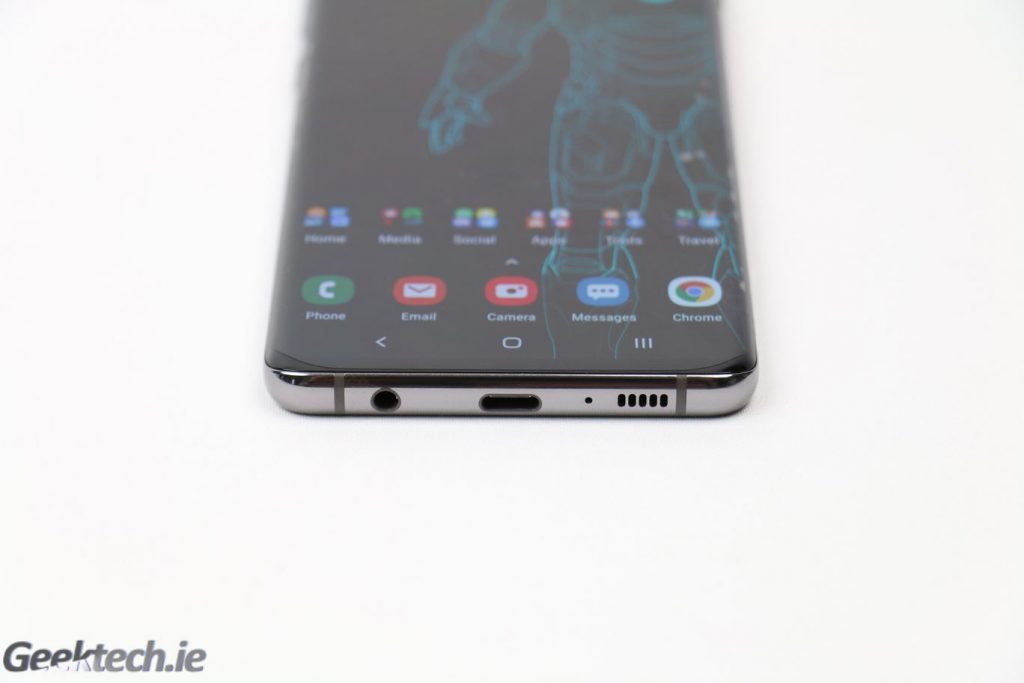
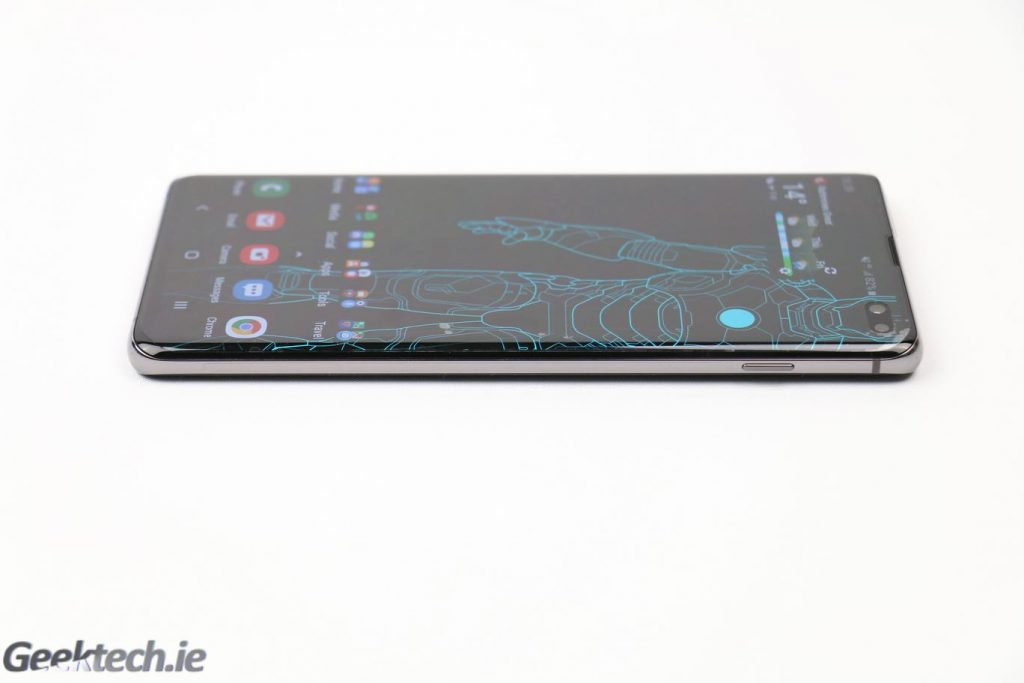
The Samsung Galaxy S10+
UI
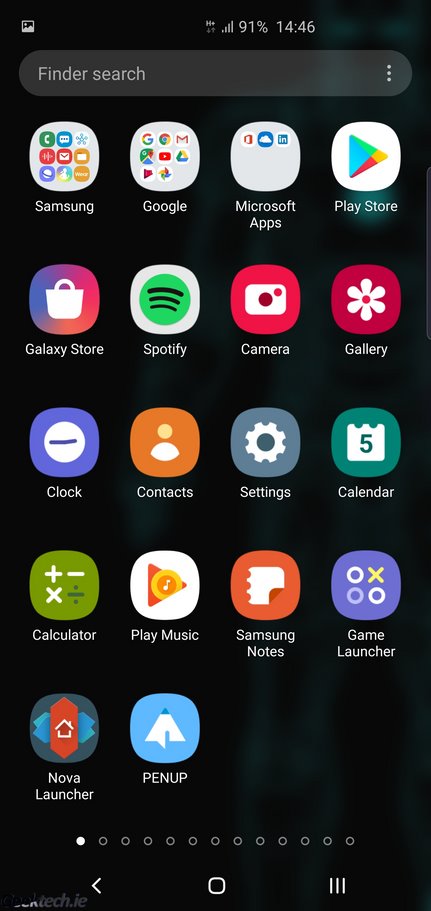
Samsung have launched the S10 series with the latest Android 9 Pie and this comes pre loaded with their latest One UI. The new UI launched as a beta on the S9 and Note 9 a few months ago.
The design features a much more subtle and easier to navigate layout that overall is much more lightweight.
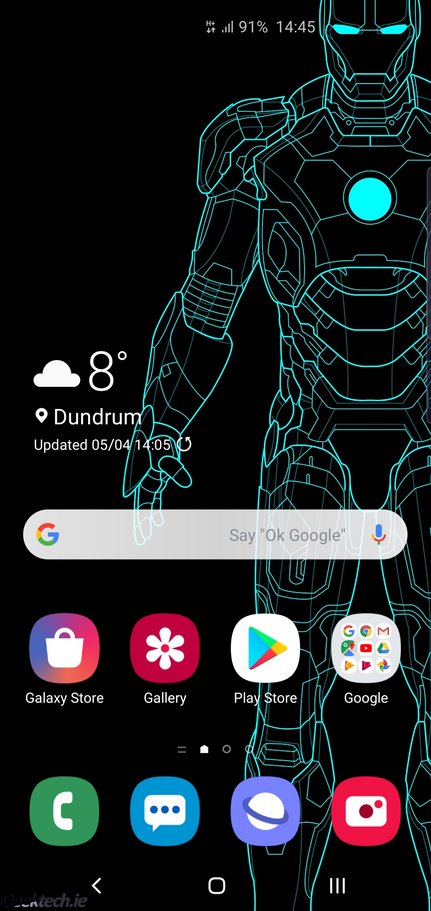
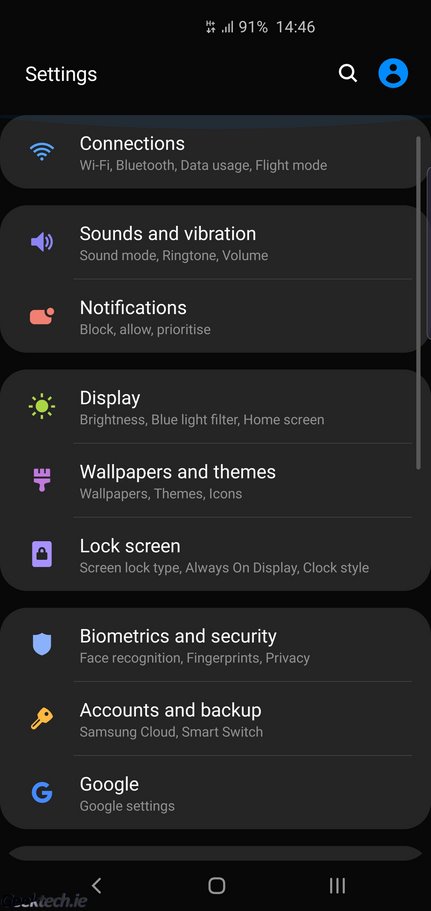
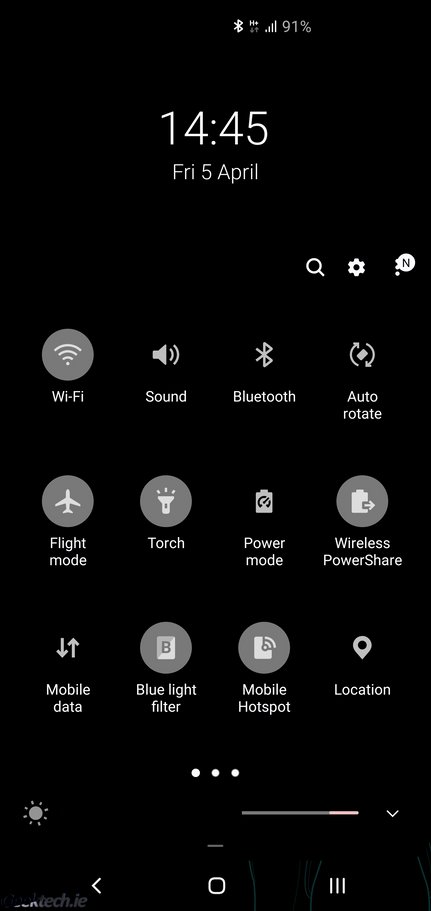
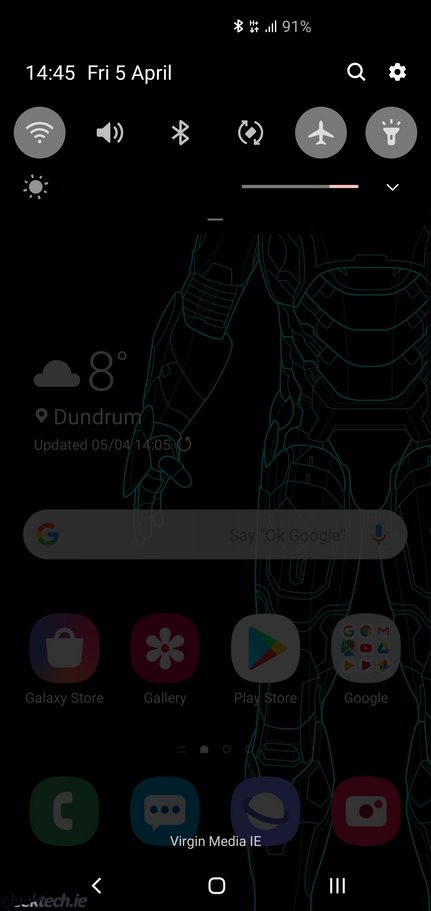
Camera UI
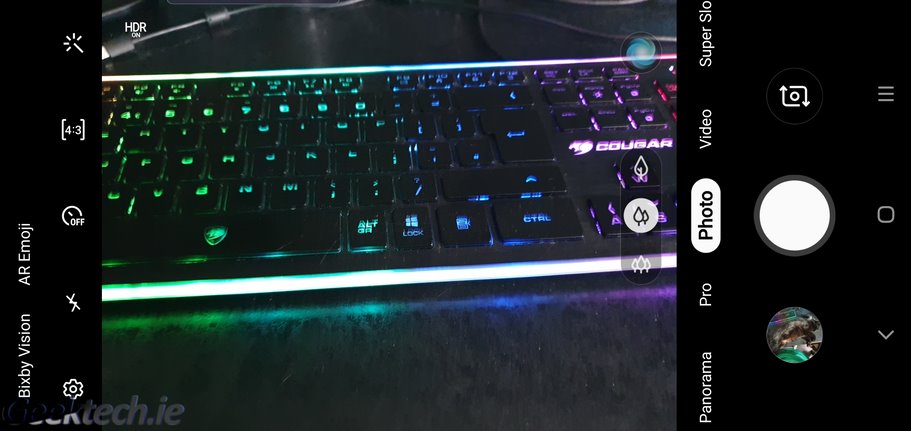
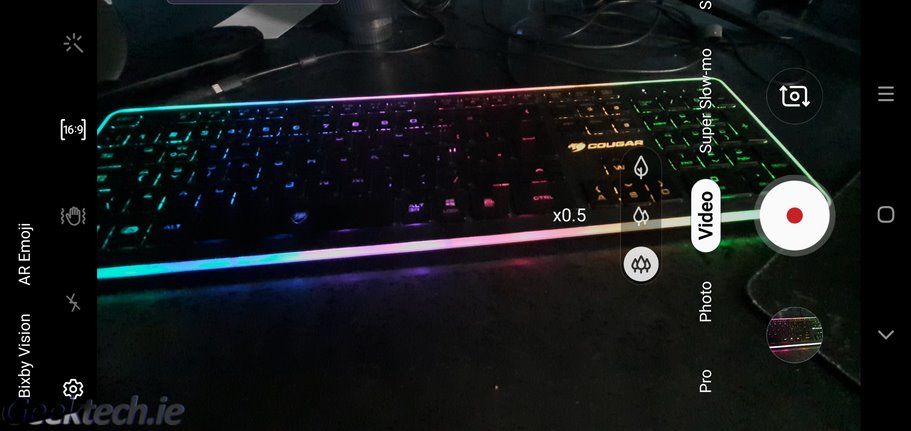
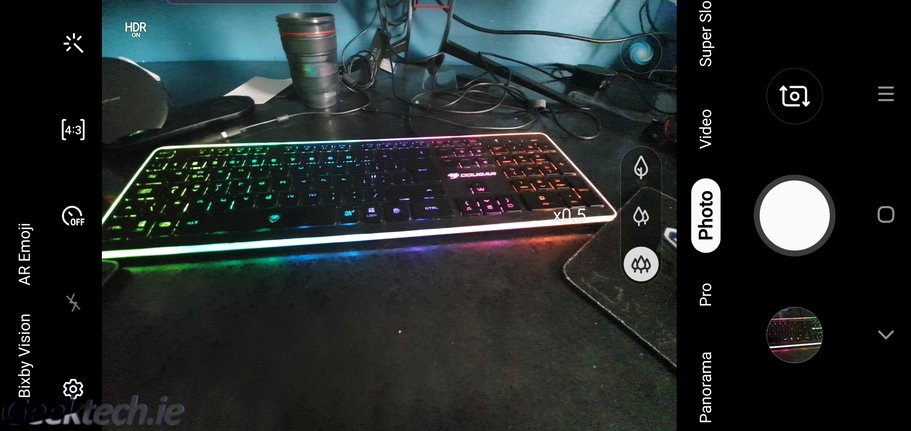
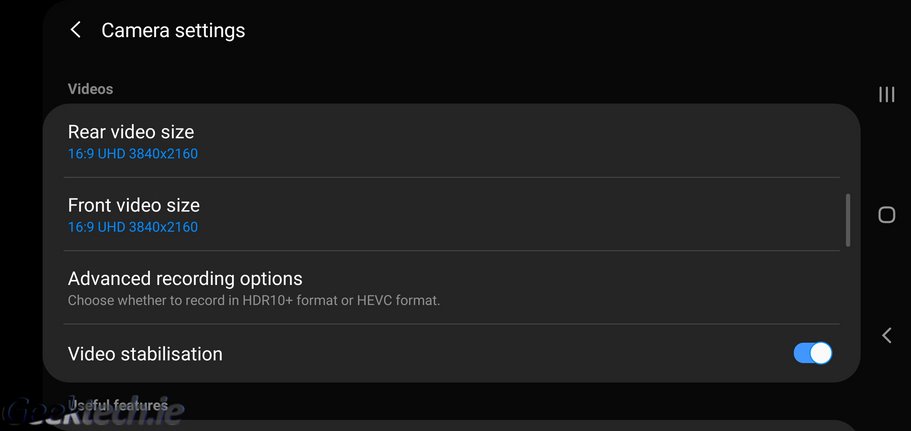
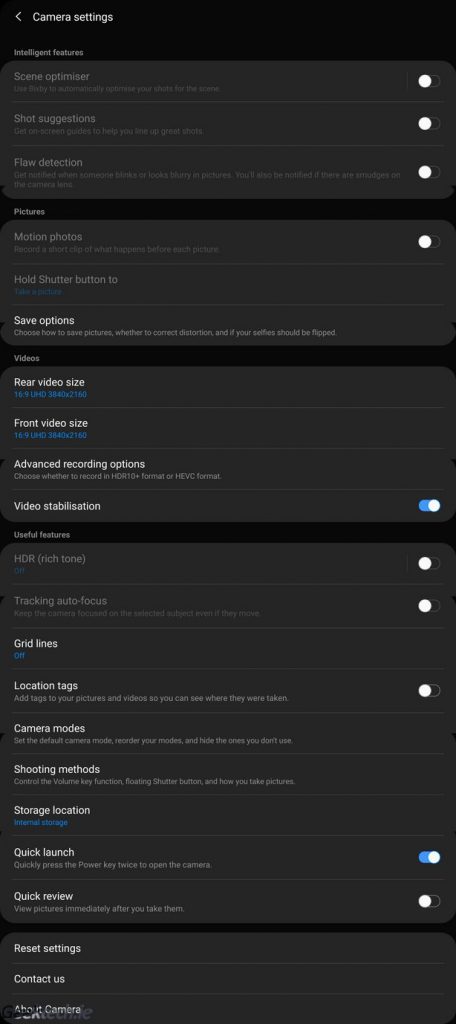
The camera UI was updated along with the latest One UI release. This changes a few things for the better, but also removed the ability to shoot video or take a picture on the same screen.
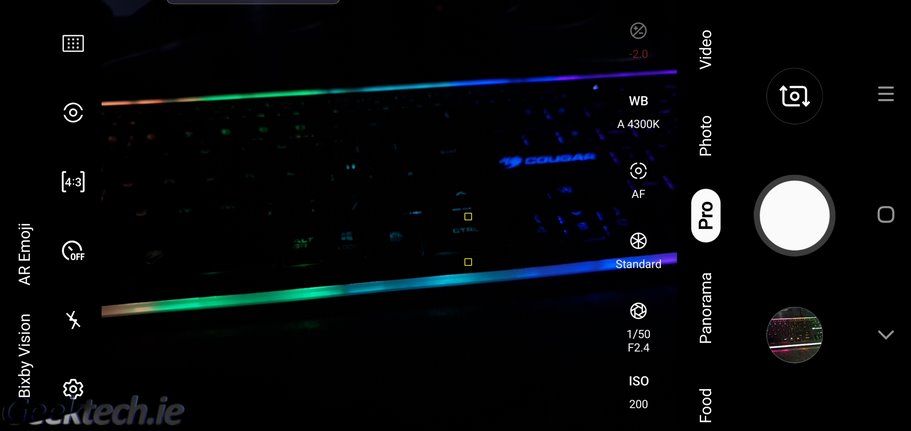
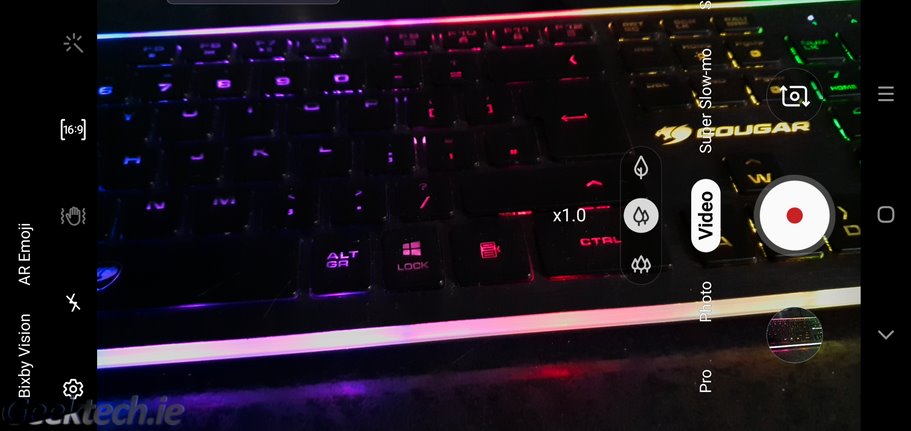
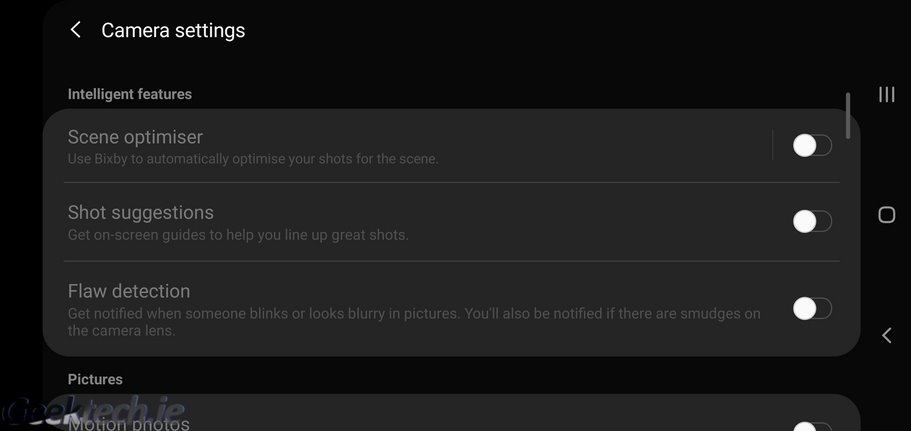
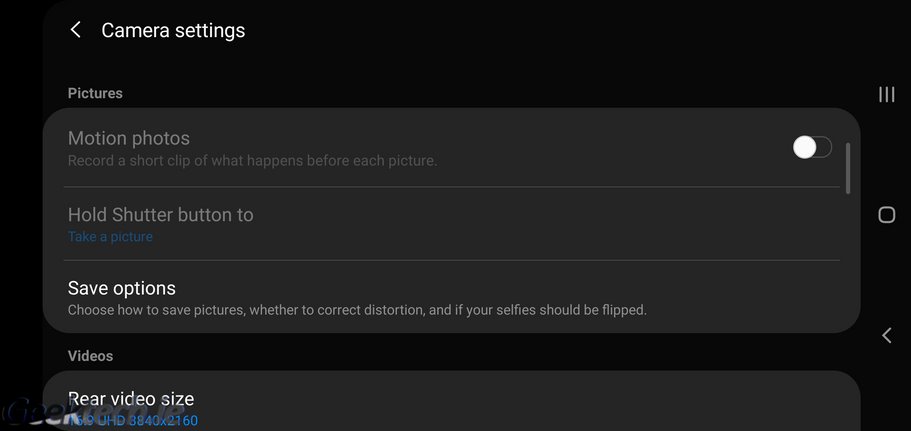
Photos and Video
The S10+ features 3 cameras on the rear of the phone. We have main 12MP wide sensor and the 12MP telephoto lens, similat to what we had on he Note 9/S9. The extra ultra-wide 16MP sensor adds a great flexibility and makes the camera side of things a lot more versatile.
Auto Mode
Full size images
The above images are resized for viewing on the website. If you wish to check out the full size images, you can do so with the link below.
Videos
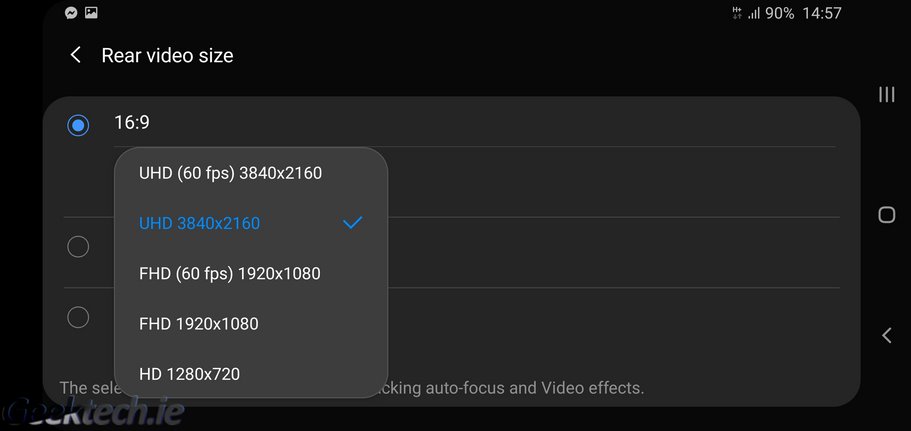
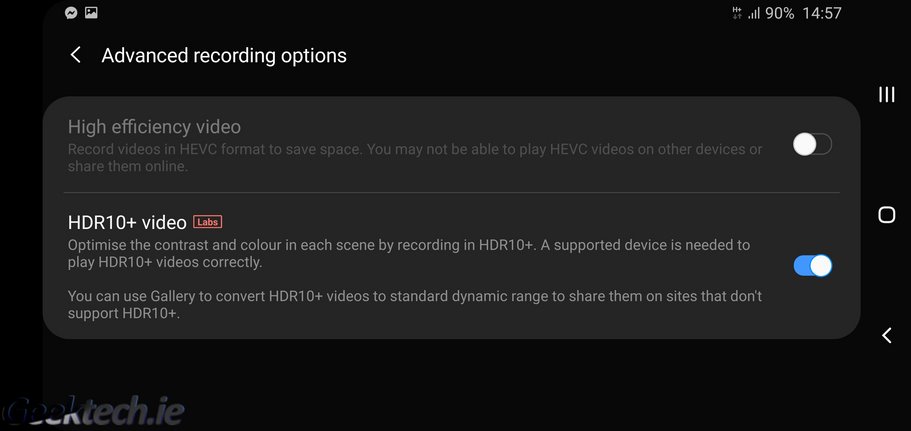
The video side of things is pretty intense with the S10+ having a wide range of supported recording modes. The main camera supports up to 4k@@60fps We also get HDR10+ recording, but is only works when recording at 4K@30fps. The same can also be said when using the telephoto photo lens or ultrawide. Both only operate when using a max of 4K@30fps.
Below are some examples we took with the S10+.
1080p
1080P@60fps
4K
Benchmarks
The latest Exynos 9820 from Samsung is sure to provide top level performance across the market. Let’s check out the benchmark numbers and get an idea of what it has to offer.
| 3D Mark Ice Storm Extreme | Max |
| 3D Mark Ice Storm Unlimited | 55851 |
| 3D Mark Sling Shot | 4777 |
| 3D Mark Sling Shot Extreme | 4426 |
| 3D Mark API Overhead OpenGL Es 3.0 | 187535 |
| 3D Mark API Overhead Vulkan | 386878 |
| Antutu | 332810 |
| Geekbench Single-Core | 3256 |
| Geekbench Multi-Core | 8841 |
| Geekbench Compute | 10046 |
| PC Mark Work 2.0 | 7816 |
| PC Mark Computer Vision | 5180 |
| PC Mark Storage | 8804 |
| PC Mark Work | 10034 |
Battery Life
The Galaxy S10+ includes the largest battery in a flagship Samsung device to date. We get a nice large 4,100mAh battery, which should easily provide a full day of heavy use.
| Phone Calls | 20-30 Minutes |
| Text message/Chat/Emails | Throughout the day(checking) and 20-30 sent |
| Photos | 10-20 |
| Video recording | 20-30 Minutes |
| Internet browsing | Throughout the day(around 30-40 minutes total) |
| Gaming | 30 Minutes |
| YouTube/Netflix | 30-40 Minutes |
| Connectivity | WiFi and 4G; mostly 4G |
| Screen Brightness | 50-percent |